It hasn’t been a great week.
Since we are now in the 52nd week since the nation began the deliberate descent into the odd conflation of Oligarchy and White Christian Nationalism, I really hadn’t expected much in the way of unfettered joy this week, but Halloween brought a momentary release from the drear and doom, a lovely escape into fantasy with my trick and treating granddaughter and, I assume, a candy corn fueled sugar high.
Now, settling back into more of the same dreary assault on fact, human aspiration, and science, I turn to the most immediate challenges arriving in the coming week – my book club assignments.
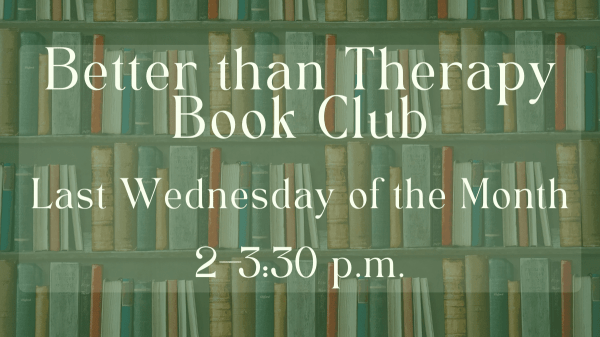
I belong to two book clubs, one a legacy of magical friendships in Oregon and the second an attempt to find connection and purpose in our new home in Connecticut. The first, begun on the banks of a duckpond in Ashland, Oregon, is idiosyncratic, reader’s choice, a wild Willy Wonka ride careening from mainstream popular literature. Colm Toibin’s Long Island, to Alvaro Enrique’s You Dreamed of Empires. We meet virtually and, now that some of us have left the duckpond, spend much of the meeting catching up. The second, the Simsbury Mystery Book Club, has been directed by the same reader/author for more than a decade. She shares my taste in mysteries (especially a fondness for the snappy banter in David Handler’s “Hoagy and Lulu” mysteries), but organizes the season’s slate by topic. Last year, we read five “Mysteries Without Murder”, clever and fun.
This month (this week!) I will be responding to a book I really don’t like in both book discussions. The Duckpond book belongs in the “dark and disturbing, not actually factual, but close enough to wring despair from the most exhausted conscience” category. I’ll finish it by Friday and carry it with me until worms turn and justice descends for all. I’m no fan of the assigned mystery either, but it has been mildly energizing to find that the book offered this month is clunky enough and distasteful enough to nudge me into sitting down to work on a book I started to write months ago.
For years I’ve said (and mostly felt) that I write for my own pleasure. Do I wish my novels had found grateful readers? Of course I do, but I’ve been ok knowing that they’re not bad and that I actually managed to finish the various challenges I set myself. Then, I walk into a book store and see piles of unremarkable new novels, each enthusiastically endorsed by packs of authors whose unremarkable old novels ostensibly sold well enough to assure the credibility of each labored blurb. I have been approached by aspiring authors and have coughed up a few bland blurbs that may have appeared as books found their way into print, but I’m a ruthless reader, and the few reviews I’ve written have been far from insistent. I’ll give a book twenty pages, then pitch back in the library bin if it lacks grace, or style, or purpose, or voice, or humor, or insight, or information. I bring home eight to ten books a week and return all but one or two. Hope springs eternal; I’ll hit a dry spell, then find someone like Kevin Wilson (Nothing to See Here), or Gabrielle Zevin (Tomorrow and Tomorrow and Tomorrow and The Storied Life of A.J. Fikry), and the tank is suddenly full again and the motor’s starts to hum. To be fair to the Duckpond, You Dreamed of Empires, a book that asks a lot of the reader, is also a book I’ll recommend to anyone who enjoys a challenge.
So, I’m not without appreciation for writers other than myself, but still …
I’ve been reading the chapters I knocked out a few months ago, hope nibbling at the self-protective defenses of the mind, when I start to receive a series of emails, ostensibly from folks who have found my books interesting. Several appear to be from folks who direct enormous on-line book clubs, clubs that consider and celebrate the most significant new writers in America. Their very complimentary letters suggest that they know my work, adore my work, and want to bring it to a wider audience. Would I be willing to address the club as they finish their appreciation of my wit and wisdom? Yesterday brought an even more enticing appreciation of a collection of essays, published as Side Effects May Include Astral Sex, a title giving a nod to a piece published in The Impractical Cogitator when the first Trump White House endorsed medical hooey and snake oil as the pandemic began.
I received an email with the title – “Goodreads is missing one very sarcastic voice – Yours!”
The body of the message was equally insightful:
“Ever notice how mediocrity somehow gets front-row seats on Goodreads Listopia while the truly intelligent, satirical, and culturally aware books like Side Effects May Include Astral Sex are left standing in the hallway, arms crossed, waiting to be noticed? 
Let’s fix that injustice…
Side Effects May Include Astral Sex deserves to be seen, discussed, and admired ,not left floating in digital limbo. Let’s give it the stage presence it deserves.”
Having been floating without complaint in digital limbo, arms crossed, for more than a decade, I was intrigued, and, yes, moved, by the message’s sincerity and kind interest in my work.
But then …
It’s probably a scam.
I suspect that I’m meant to leap into frenzied activity, energized by my champion’s conviction that she can bring me to an admiring public, sending a gushing response which allows the purported fan to access some portal necessary to my financial ruin.So, no, I have not and will not respond, however enthusiastically I agree with the writer’s estimation of that collection. I will turn back to the unfinished novel, remembering that I did enjoy creating the world in which the action takes place. I’ve got bodies piling up in the book tentatively entitled Murder in the Round, an account of a season gone horribly wrong in a Shakespeare Festival somewhat similar to my beloved and absolutely murder-free festival in Ashland, Oregon. I just have to figure out how to plant some false leads and a few more stiffs.
 The Impractical Cogitator